

Your website ranks on page one. Traffic is declining anyway. Welcome to the reality of zero-click searches, where Google answers questions directly without sending users to your site. This marks the beginning of the zero click era—a fundamental shift in search behavior where users increasingly get answers instantly, changing how people interact with search engines.
More than 60% of Google searches now end without a click to any website. Users get their answers from SERP features like featured snippets, knowledge panels, local packs, and new formats such as Google’s AI Overviews and AI overview, all right on the search results page. For local service businesses, this shift in search behavior feels like losing visibility you’ve worked years to build.
But here’s what most businesses miss: zero-click searches aren’t the enemy. The phenomenon of zero clicks—where users get answers without clicking through—can actually be an opportunity to dominate your market in ways traditional rankings never could. When your business provides the answer Google shows directly in search results, you build authority that translates into customers even without the click.
This guide shows you exactly how to optimize for zero-click searches, turning what seems like a threat into your biggest competitive advantage. Whether you run an HVAC company, roofing business, plumbing service, or any local operation, these strategies will keep you visible and profitable as search continues evolving.
Understanding Zero-Click Searches
Zero-click searches happen when users get satisfactory answers directly on the search results page without clicking through to any website. Google displays the information in various formats: featured snippets, knowledge panels, People Also Ask boxes, local packs, calculator results, direct answer box, and increasingly, AI-generated overviews.
The rise of zero-click searches reflects Google’s evolution from search engine to answer engine. Instead of being a directory pointing to other websites, Google now aims to keep users on its platform by providing direct answers. This shift benefits Google’s business model while fundamentally changing how businesses need to approach SEO. AI tools are now integral in powering these features, shaping the way information is delivered to users.
Google’s AI capabilities have dramatically improved its ability to extract and synthesize information from multiple sources. AI-generated summaries and AI-generated responses are created using large language models and AI tools, which process and combine data to provide direct, conversational answers. Natural language processing, powered by large language model and large language models, allows the search engine to understand complex questions and provide nuanced answers. Mobile usage accelerates this trend since phone users prefer quick answers over browsing multiple websites.
For service businesses, zero-click searches create a paradox. You can rank number one for “HVAC repair cost” and still get minimal traffic because Google’s featured snippet answers the question without requiring users to visit your site. Your visibility increases while your traffic decreases.
The truth is that zero-click searches aren’t going away. They’re accelerating. Adapting your strategy to this reality separates businesses that thrive from those that struggle despite good rankings.
Understanding Search Engines
Search engines have come a long way from their early days as simple directories of links. Today’s search engines, like Google, are sophisticated answer engines designed to deliver the most relevant information instantly—often without requiring users to click through to another site. This evolution is at the heart of the zero click searches trend, where users get direct answers to their queries right on the search engine results page.
Modern search engines rely on advanced artificial intelligence and machine learning to interpret user intent and provide direct answers, not just a list of links. This means that for many searches, especially informational or how-to queries, users receive what they need from featured snippets, direct answers, or knowledge panels—never leaving the search engine. As a result, businesses must rethink their search engine optimization (SEO) efforts. Instead of focusing solely on driving click searches, the goal is now to maximize visibility and authority within these zero click search features.
Understanding how search engines process, rank, and display information is crucial for adapting your SEO strategy. By recognizing the shift from traditional search to answer engines, you can align your content and optimization tactics to win in a zero click world—ensuring your brand remains visible and relevant, even when users don’t click.
The Hidden Benefits of Zero-Click Visibility
Before diving into optimization tactics, understand why being featured in zero-click results actually benefits your business more than traditional rankings in many cases.
Brand Authority and Trust
When Google selects your content to answer a question directly, you gain implicit endorsement from the world’s most trusted search engine. Users see your business name, website, or expertise featured prominently. This association builds brand recognition and authority faster than traditional advertising ever could.
Zero-click features on results pages, such as answer boxes and featured snippets, significantly enhance your brand’s visibility by placing your business at the forefront of search results—even if users do not click through to your site.
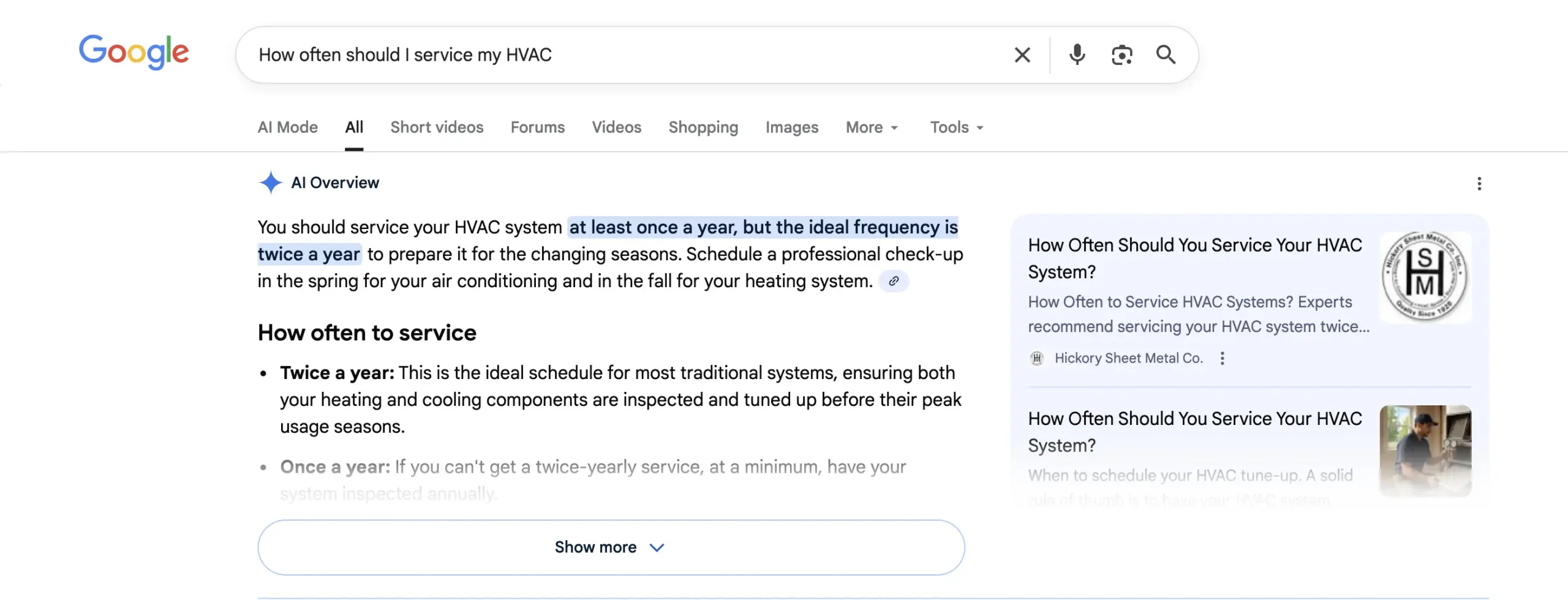
Think about it from a customer’s perspective. They search “how often should I service my HVAC system,” and Google displays an answer citing your company. Even if they don’t click, they’ve now seen your brand associated with expert information. When they’re ready to hire someone, your name resurfaces in their memory as the knowledgeable source.
Capturing High-Intent Users
Not all users who see zero-click results stay satisfied with the brief answer. Many get their initial question answered, then realize they need more information or professional help. These users often search again with more specific intent, or they directly search for your business name after seeing you cited.
Zero-click features often include your business name, contact information, or clear attribution. Users who need services don’t just want information. They want a provider. Seeing your business featured in the answer triggers the next step: contacting you directly or searching specifically for your company.
However, the rise of zero-click features on results pages can impact your search traffic and click through rate, as users may find the information they need without visiting your website.
Local Pack Dominance
For service businesses, the local pack (the map with three business listings) is the most valuable zero-click feature. When users search “plumber near me,” Google shows three local businesses with contact information, ratings, and direct action buttons. Users can call or get directions without ever visiting a website.
This zero-click format actually increases conversions for local businesses. The friction of clicking through to a website, finding contact information, and deciding to reach out gets eliminated. Users see your rating, your location, and a call button. One tap connects them to you.
Today, measuring SEO success means looking beyond just clicks and traditional search traffic. Visibility and engagement on results pages—such as being featured in zero-click elements—are now key indicators of a brand’s SEO success.
Optimizing for Featured Snippets
Featured snippets are the most common zero-click format for informational searches. The snippet appears in a box above organic results, displaying a concise answer extracted from a webpage. Optimizing content for featured snippets is a crucial part of a broader optimization strategy, as it increases visibility and accessibility in search results.
Google displays featured snippets in several formats. Paragraph snippets provide 40-60 words of text answering a question. List snippets show numbered or bulleted information. Table snippets display data in structured rows and columns. Understanding which format suits your content helps you structure information for snippet capture and optimize content for both user intent and search engine extraction.
Content Structure for Snippet Optimization
Start with a clear, direct answer in the first paragraph after your question header. Use 40-60 words that completely answer the query without requiring additional context. This format gives Google exactly what it needs for a paragraph snippet.
For list-based content, use proper HTML markup with ordered or unordered lists. Number your steps or bullet your points clearly. Avoid burying lists deep in paragraphs. Make them scannable and extractable.
Structure content around specific questions your customers ask. Use the actual question as your H2 header: “How Much Does Roof Replacement Cost?” Then provide a concise answer immediately below that header before expanding with details.
Research common questions using Google’s “People Also Ask” boxes, keyword research tools, and actual customer inquiries from calls and emails. Developing a keyword strategy helps you identify zero click opportunities and ensures each common question has dedicated content optimized for snippet capture.
Target long-tail questions rather than broad keywords. “What causes HVAC systems to freeze up in summer” is more likely to generate a featured snippet than targeting “HVAC problems.” Specific questions get specific answers. Broad keywords get traditional result lists. Optimizing content for these long-tail queries can increase your chances of capturing zero click opportunities and improving brand visibility.
In summary, optimization strategies for featured snippets should include both snippet capture and broader zero click search optimization. By focusing on optimizing content, refining your keyword strategy, and targeting zero click opportunities, you can enhance your presence in search results and drive meaningful engagement.
Dominating Local Pack Results
The local pack is the most valuable zero-click feature for service businesses because it includes direct contact mechanisms while showcasing your business prominently. Optimizing for local SEO is essential for dominating local pack results and increasing your visibility in map-based listings.
Google Business Profile Optimization
Your Google Business Profile determines local pack placement. Complete every section thoroughly. Add your exact services, detailed business description, accurate hours, high-quality photos, and all relevant attributes. Be sure to include key details such as your business name, address, and contact information, and consider adding schema markup to your profile and website to enhance local pack visibility and improve your chances of appearing in zero-click results.
Categories matter enormously for local pack visibility. Choose your primary category carefully since this has the most weight. Add all relevant secondary categories that accurately describe your services. A roofing company might list “Roofing Contractor” as primary with “Roof Repair Service,” “Skylight Contractor,” and “Gutter Cleaning Service” as secondary categories.
Regular GBP posts signal active management and provide fresh content. Share completed projects, seasonal tips, special offers, and company updates. These posts appear in your profile and contribute to your relevance for local searches.
Review Generation and Management
Reviews directly influence local pack rankings and customer decisions. More reviews from recent dates carry more weight than older review volume. Implement systematic review generation from every satisfied customer.
Respond to every review, both positive and negative. Your responses demonstrate commitment to customer satisfaction and provide additional keyword-rich content associated with your profile. Thank positive reviewers by name and mention the specific service they received.
Reviews that mention specific services or locations strengthen your relevance for those searches. Encourage customers to mention the neighborhood or service type in their reviews.
Local Content and Citations
Create location-specific content for every neighborhood you serve. These pages shouldn’t be thin duplicates with only the location name changed. Provide genuine local insights about each area’s housing characteristics, common issues, climate considerations, or local regulations. Optimize your service pages for local SEO by including local keywords, key details, and adding schema markup to target zero-click features and improve your online presence in local search results.
Build citations on local directories, chambers of commerce, and industry-specific platforms. Consistent NAP (Name, Address, Phone) information across all platforms strengthens your local authority.
Optimizing for People Also Ask Boxes
People Also Ask (PAA) boxes appear for many queries, showing four to eight related questions that expand when clicked. These boxes are often triggered by informational queries, where users seek quick, factual answers directly in the search results. Getting featured in PAA boxes increases visibility and establishes topical authority.
PAA boxes show questions related to the original query, offering users paths to deeper exploration. When users click a question, it expands to show an answer extracted from a webpage, along with a link to that source. Your content can appear multiple times within the same PAA box for different related questions.
Create comprehensive content that answers not just the main question but also related questions users might have. If your content addresses “HVAC replacement cost,” also answer related questions like “How long does HVAC replacement take,” “What factors affect HVAC installation cost,” and “When should I replace my HVAC system.”
Structure answers as clear, concise responses of 40-60 words that work as standalone excerpts. This approach helps create zero click content, providing value directly in the search results and increasing the chances your content is used in PAA or other SERP features. Follow each brief answer with expanded information, but make sure the short answer satisfies the question independently.
Use proper header hierarchy (H2, H3) to organize related questions. Google recognizes this structure and can more easily extract answers for different PAA questions from the same page.

Creating Content for Zero-Click Searches
To succeed in a zero click search environment, your content must be crafted with direct answers and search engine features in mind. Unlike traditional SEO, where the goal is to entice users to click through to your site, zero click searches reward content that provides immediate, concise, and authoritative answers right on the search results page.
Start by identifying the most common questions your audience asks, then create content that delivers clear, direct answers. Use structured data and schema markup to help search engines understand the context and relevance of your content. This not only increases your chances of being featured in zero click search features like featured snippets and direct answer boxes, but also ensures your information is accurately represented across different search platforms.
Optimizing for voice search is also essential, as more users rely on AI-powered assistants to get instant answers. Use natural language, conversational phrasing, and concise responses to match how people speak their queries. By focusing on clarity, brevity, and relevance, you make it easier for search engines to extract and display your content in zero click results.
Remember, the goal is to provide value upfront—answering user queries so effectively that search engines understand your expertise and reward you with prominent placement in search features. This approach not only boosts your visibility but also positions your brand as a trusted authority, even if users never leave the search results page.
Building Topical Authority
In the era of zero click search, building topical authority is more important than ever. Topical authority means your website or brand is recognized by search engines as a leading source of information on specific subjects. This recognition is a key factor in being chosen for zero click search results, such as featured snippets and direct answer boxes.
To establish topical authority, focus on creating comprehensive, high-quality content that thoroughly covers the topics most relevant to your business and audience. Develop in-depth guides, answer frequently asked questions, and provide unique insights that go beyond surface-level information. The more you demonstrate expertise and depth, the more likely search engines are to trust your content for zero click placements.
Consistency is also crucial. Regularly update your content to reflect the latest trends, data, and best practices in your industry. Interlink related articles to create a strong topical cluster, signaling to search engines that your site is a go-to resource for specific queries.
By building topical authority, you increase your chances of being featured in zero click search results, driving brand recognition and trust—even when users don’t click through. In a world where search engines prioritize direct answers, being seen as an expert is your ticket to ongoing visibility and success.
Brand Visibility and Website Traffic
Zero click searches have changed the relationship between brand visibility and website traffic. While it’s true that zero click search results may not always drive direct traffic to your site, they can significantly boost your brand’s visibility and awareness. When your business is featured in search results—whether in featured snippets, knowledge panels, or other zero click search features—users see your name, logo, and expertise front and center.
To maximize both brand visibility and website traffic, focus on optimizing your content for zero click search features. Ensure your information is accurate, up-to-date, and structured in a way that search engines can easily display. Leverage schema markup to enhance your presence in knowledge panels and other search features, making your brand stand out even when users don’t click.
Remember, increased brand visibility often leads to more direct traffic over time. Users who see your business repeatedly in search results are more likely to remember your name and seek you out when they’re ready to engage. By prioritizing both zero click optimization and high-quality content, you can strengthen your brand’s online presence and drive meaningful results—even in a world where not every search leads to a click.
Deciding When to Pursue Zero-Click Queries
Not every zero click search opportunity is worth pursuing, so it’s important to be strategic about where you invest your efforts. Start by evaluating the potential return on investment (ROI) for each query. If a query is likely to result in zero click searches but offers high visibility for your brand or positions you as an industry authority, it may be worth targeting—even if it doesn’t drive immediate traffic.
Consider your overall marketing goals. If your primary objective is to increase brand awareness and establish credibility, focusing on zero click queries that feature your business in prominent search results can be highly effective. On the other hand, if your goal is to drive more website visits or generate leads, prioritize queries that are more likely to result in click searches.
Analyze the competitive landscape and the types of zero click features available for your target keywords. Some queries may be dominated by direct answers or knowledge panels, while others still offer opportunities for clicks. By aligning your zero click search strategy with your business objectives and carefully selecting which queries to pursue, you can maximize your visibility and ensure your SEO efforts deliver the best possible results.
Measuring Zero-Click Success
Traditional metrics like organic traffic don’t tell the full story when optimizing for zero-click searches. You need different measurement approaches, especially since zero-click searches can impact advertising revenue by reducing opportunities for ad clicks.
Impression and Visibility Metrics
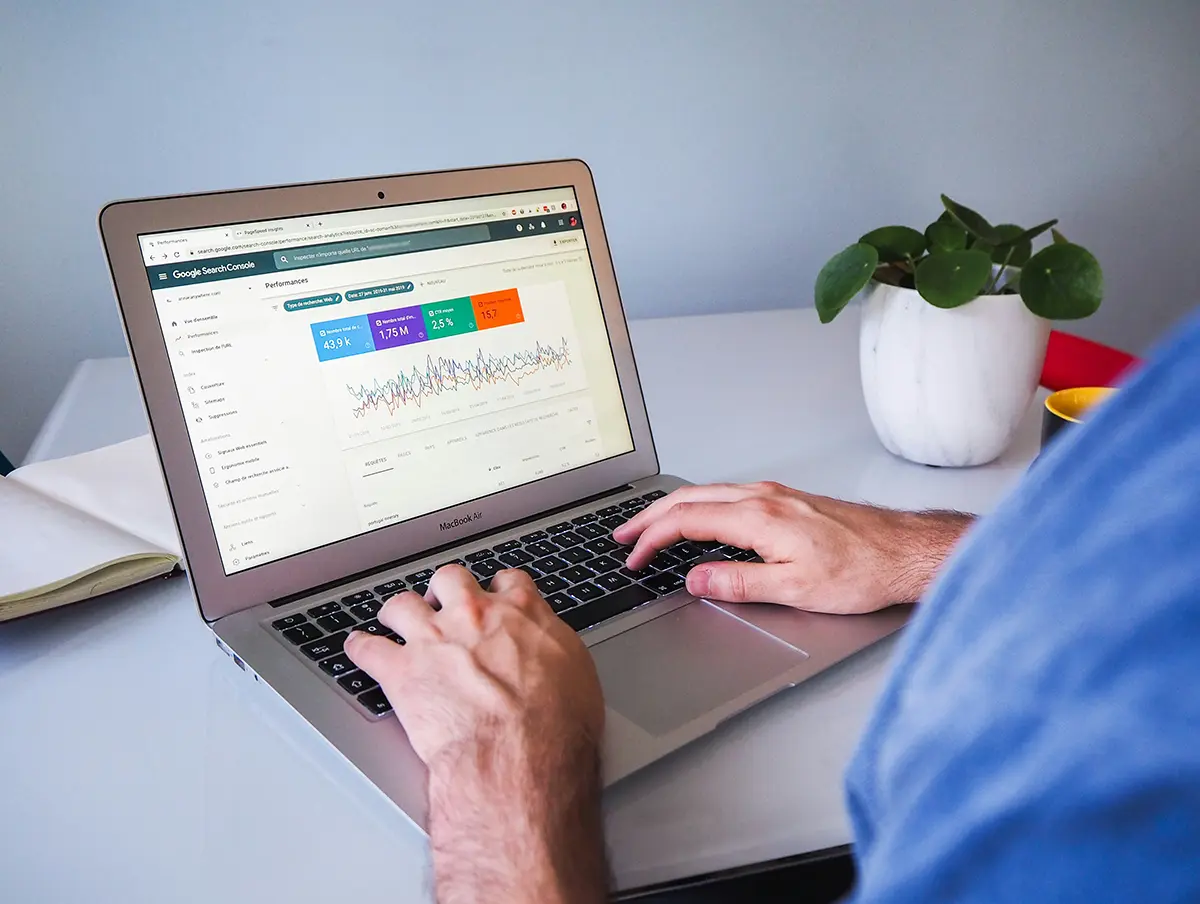
Monitor search impressions in Google Search Console, not just clicks. Increasing impressions indicate growing visibility even if clicks plateau or decline. You’re reaching more people, even if they’re not visiting your site. Be sure to track performance and visibility not only on traditional search engines but also across AI platforms and AI search engines, as these are increasingly presenting synthesized answers directly on SERPs.
Track branded search volume. If users see your business in zero-click features, many will later search specifically for your company name. Growing branded searches indicate effective zero-click visibility.
Featured Snippet Tracking
Use SEO tools like SEMrush, Ahrefs, or manual tracking to document which queries trigger featured snippets showing your content. Monitor snippet acquisition over time to measure optimization effectiveness.
Note which content types and structures earn snippets most consistently. These insights guide future content creation toward formats that work.
Local Pack Performance
Track your local pack rankings for your most important service plus location keywords. Use rank tracking tools or manual searches to monitor your position in the three-result local pack.
Monitor clicks to call, direction requests, and website visits from your Google Business Profile. These actions indicate users finding you through local pack zero-click features.
Conversion Attribution
Ask new customers how they found you. Many will mention seeing you “on Google” without specifying whether they clicked to your website. Zero-click visibility drives conversions that don’t appear in your analytics.
Track phone calls from unknown numbers. If your call volume increases while website traffic decreases, zero-click features may be driving the phone leads.
Common Zero-Click Optimization Mistakes
Some businesses create bare-minimum content just to capture snippets without providing real value. This approach might temporarily win snippets but fails to build lasting authority. Google favors comprehensive resources, so create full, valuable content even when optimizing specific sections for snippet extraction. Another common mistake is ignoring other search engines—optimizing only for Google means missing out on visibility in platforms like Bing, Yahoo, and even emerging search tools.
Zero-click optimization complements traditional SEO, it doesn’t replace it. You still need solid technical SEO, quality backlinks, mobile optimization, and comprehensive content. Featured snippets come from pages that already rank well. Focusing exclusively on snippet optimization while neglecting traditional SEO fundamentals fails.
Users who see you in zero-click results may not convert immediately, but they’re entering your marketing funnel. Provide clear next steps, maintain consistent branding, and create remarketing audiences.
How Redshift Local Optimizes for Zero-Click Success
At Redshift Local, we’ve adapted our strategies to the zero-click reality because ignoring this shift means losing visibility no matter how good your traditional SEO becomes.
Our VTC Framework (Visibility, Traffic, Conversions) has evolved beyond just website traffic to encompass all forms of visibility including zero-click features. We optimize for featured snippets, local pack dominance, and People Also Ask placement because these features drive business growth even without website clicks.
We create content specifically structured for snippet capture while maintaining the depth and quality that builds genuine authority. We optimize Google Business Profiles for maximum local pack visibility. We track the right metrics to prove ROI even as the traffic-to-conversion relationship changes.
Most importantly, we understand that zero-click optimization isn’t about getting more website visitors. It’s about maximizing visibility and conversions through every available channel, including those where users never leave Google.
Ready to adapt your strategy to the zero-click reality and dominate search visibility in all its forms? Contact Redshift Local today to discuss a comprehensive approach that wins in today’s search landscape.
The Zero-Click Future Is Now
Waiting for zero-click searches to reverse course is like waiting for the internet to become less popular. It’s not happening. Google’s business model depends on keeping users on its platform, and every algorithm update reinforces this direction.
The businesses that thrive will be those that stop measuring success solely by website traffic and start valuing all forms of visibility. Being featured in a snippet that appears for 10,000 searches monthly builds more authority than ranking fifth and getting 200 clicks.
Your competitors are likely still focused on traditional rankings, trying to drive more website traffic through outdated tactics. This creates an opportunity. While they chase clicks, you can dominate zero-click features and build brand authority that translates into actual customers.
Start by auditing which of your current rankings could be converted into featured snippet opportunities. Identify the local pack terms that matter most for your business. Create content specifically designed for snippet capture. Track your visibility, not just your traffic.
The future of local search isn’t about who gets the most clicks. It’s about who gets seen, remembered, and chosen when customers need services. Zero-click optimization ensures that’s you.