
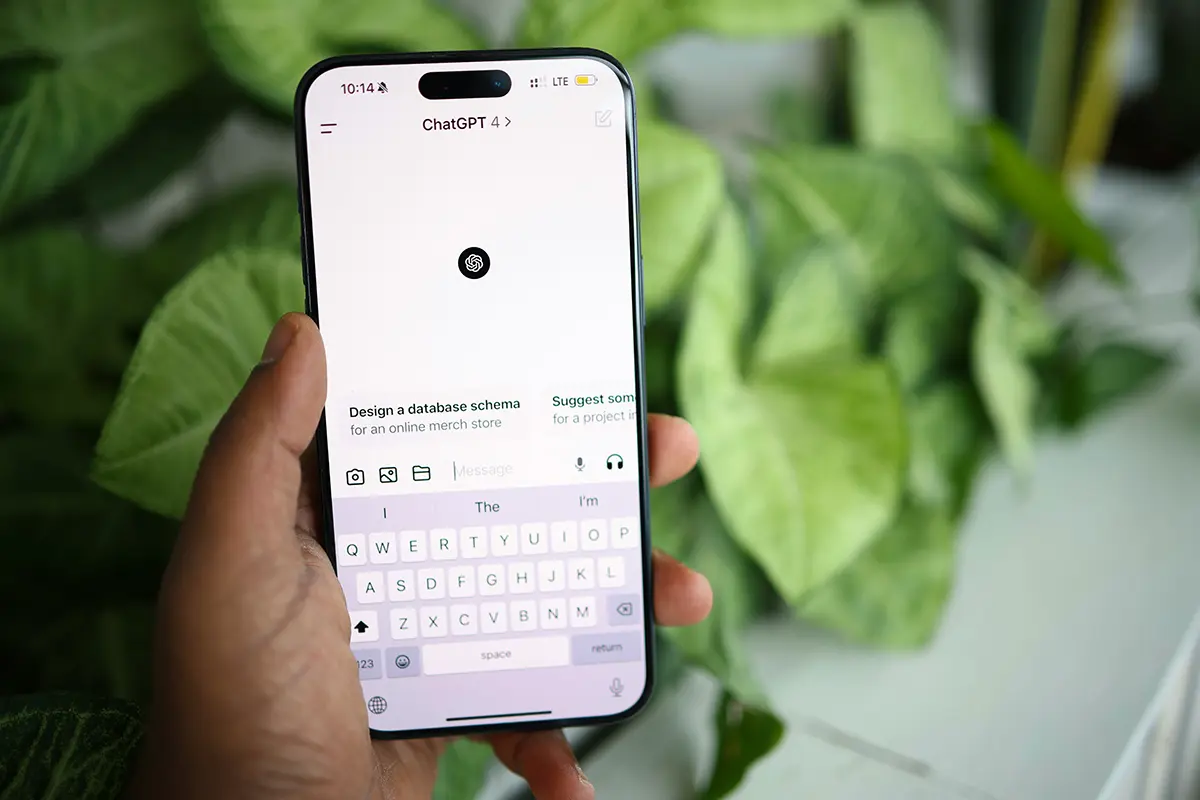
Winning the AI-Powered Recommendation Game
Imagine a potential customer sitting at their kitchen table, frustrated by a broken furnace on a freezing January night. Instead of Googling “emergency HVAC repair near me,” they open ChatGPT and type: “My furnace just stopped working and it’s 20 degrees outside. I’m in Pittsburgh. Who should I call?”
ChatGPT responds with a conversational recommendation, explaining why specific companies are good choices, what to expect from emergency service, and even what questions to ask when calling. Your business is either in that response—or it isn’t.
This is the new reality of local search. ChatGPT has become a trusted advisor for millions of users making purchasing decisions, and unlike Google where you fight for position #1 among ten blue links, ChatGPT either mentions you or doesn’t. There’s no page two. There’s no “scroll down for more results.” You’re either part of the conversation, or you’re invisible.
The ChatGPT Recommendation Reality: Why Everything Changed
Traditional SEO taught us to obsess over keywords, backlinks, and technical optimization. ChatGPT doesn’t care about any of that. It reads your website the way a human would—actually understanding what you’re saying, evaluating whether you know what you’re talking about, and deciding if you’re trustworthy enough to recommend.
Here’s what actually happens when someone asks ChatGPT for a local business recommendation:
ChatGPT searches the web in real-time, pulling information from multiple sources. It reads business websites directly, parsing content for expertise signals. It checks review platforms to gauge reputation. It synthesizes information from local directories, news articles, and industry resources. Then it generates a response that sounds like advice from a knowledgeable friend—naming specific businesses and explaining why they’re good choices.
The businesses that get recommended aren’t necessarily the ones with the most backlinks or the highest domain authority. They’re the ones that clearly demonstrate expertise, provide genuinely helpful information, maintain strong reputations, and communicate in natural, trustworthy language.
This changes everything about local SEO strategy:
You can’t buy your way into ChatGPT recommendations through advertising. You can’t manipulate rankings with clever technical tricks. You can’t fake expertise with keyword-optimized but substance-free content. ChatGPT sees through all of it because it actually comprehends what you’re saying—or failing to say.
Content That Gets You Recommended: The Expertise Demonstration Framework
ChatGPT recommends businesses that demonstrate genuine expertise through comprehensive, helpful content. But what does “demonstrate expertise” actually mean in practice?
The Deep Dive Article Strategy
Forget 500-word blog posts targeting specific keywords. ChatGPT rewards deep, thorough content that actually teaches customers something valuable. We’re talking 2,500+ word articles that comprehensively address real customer questions and problems.
What makes content ChatGPT-worthy:
- Start with a real customer problem. Not “HVAC repair services in Pittsburgh” but “What do you do when your furnace stops working in the middle of winter?” Write as if you’re explaining the situation to a neighbor who needs help—not as if you’re trying to rank for keywords.
- Explain the underlying issues. Why do furnaces fail? What are the common causes? What are the warning signs customers might have missed? This contextual information demonstrates that you actually understand HVAC systems, not just that you want to rank for “furnace repair.”
- Provide diagnostic frameworks customers can use. Walk them through how to check basic issues. Explain when something is an emergency versus when it can wait until morning. Give them the knowledge to make informed decisions—even if that means solving simple problems themselves instead of calling you.
- Detail your approach to solving the problem. Explain what a service call involves, what you check, how you diagnose issues, and what repair or replacement options exist. This transparency builds trust and demonstrates systematic expertise.
- Address cost factors honestly. Discuss what influences pricing, what typical ranges look like, when repair makes sense versus replacement. Customers asking ChatGPT often want to understand costs before calling, and straight talk builds credibility.
The Problem-Solution Content Matrix
Create content that maps to every common customer problem you solve. Not generic service pages, but specific problem scenarios with detailed solutions.
Essential problems to address for home service contractors:
- Equipment failure scenarios (won’t start, won’t stop, makes strange noises)
- Performance issues (not heating/cooling properly, inefficient operation, inconsistent results)
- Safety concerns (gas smells, electrical problems, water leaks, carbon monoxide risks)
- Maintenance questions (when to service, what to check, how often to replace filters)
- Cost and investment decisions (repair versus replace, upgrade considerations, efficiency improvements)
- Emergency situations (what constitutes an emergency, immediate steps to take, after-hours availability)
- Seasonal preparation (winterization, summer readiness, weather-related concerns)
- Troubleshooting guidance (simple checks before calling, when DIY is appropriate, red flags requiring professionals)
How to structure problem-focused content:
- Write from the customer’s perspective. Start with how they’d describe the problem: “My air conditioner is running but not cooling the house” not “Air conditioning cooling deficiency diagnosis and repair.”
- Break down the diagnostic process step by step. What should they check first? What are the most common causes? What are the warning signs of serious problems versus minor issues?
- Explain different solution scenarios. What happens if it’s a simple fix? What if it requires major repair? When does replacement make more sense than repair? Give them the framework to understand their options.
- Connect problems to your services naturally. After thoroughly explaining the issue and solutions, mention that you handle this specific problem regularly, include examples from real service calls, and provide clear next steps for getting help.
The Reputation Architecture: Building Trust Across Platforms
ChatGPT doesn’t just read your website. It evaluates your reputation across the entire internet, weighing multiple signals to determine if you’re trustworthy enough to recommend.
The Multi-Platform Reputation Blueprint
Your reputation exists in fragments across dozens of platforms. ChatGPT pieces these fragments together into a composite picture of your business’s reliability and quality.
Critical reputation touchpoints that ChatGPT evaluates:
- Google Business Profile with 4.5+ star ratings and 50+ reviews showing consistent quality
- Yelp presence with detailed reviews describing specific service experiences
- Facebook recommendations from local customers in your community
- Industry-specific platforms like Angi, HomeAdvisor, or Thumbtack validating specialization
- Better Business Bureau ratings demonstrating business legitimacy and complaint resolution
- Local news mentions or features establishing community presence
- Chamber of commerce or business association memberships
- Professional licensing and certification verification through official sources
Review characteristics that carry weight with ChatGPT:
- Detailed descriptions of specific services performed, not just “great service”
- Problem-solving narratives showing how you handled challenging situations
- Process details mentioning punctuality, communication quality, and professionalism
- Local context referencing specific neighborhoods or area-specific work
- Recent reviews demonstrating current, active operations
- Consistent positive themes across multiple review platforms
- Professional, constructive responses to all reviews including negative ones
- Authentic-sounding language from real customers, not templated feedback

Writing Style That Sounds Human, Not AI-Generated
Here’s an ironic challenge: to get recommended by AI, you need to write content that doesn’t sound AI-generated. ChatGPT recognizes the difference between genuine expertise and regurgitated generic information.
Elements of authentically human content:
- Use first-person perspective when sharing experiences. “In my 15 years doing HVAC work in Pittsburgh, I’ve seen furnaces fail most often because…” sounds authentic. “HVAC systems often fail due to…” sounds like it came from Wikipedia.
- Include specific details that only come from real experience. Mention the particular brands you work with most, the common issues in older Pittsburgh homes with original heating systems, the challenges of working in century-old row houses versus modern construction.
- Share actual customer stories (with permission). “Last winter, we got a call from a family in Shadyside whose furnace died during the polar vortex. The problem turned out to be…” Real stories demonstrate genuine experience.
- Admit limitations and uncertainties honestly. “Without seeing your system, I can’t say for certain, but based on what you’re describing…” sounds human. Overly confident claims about every possible scenario sound fake.
Common AI-writing patterns to avoid:
- Opening paragraphs that restate the title unnecessarily
- Overuse of transition phrases like “Furthermore,” “Moreover,” “Additionally”
- Lists that feel exhaustive rather than practical and focused
- Perfectly balanced pros and cons sections that lack genuine perspective
- Conclusions that just summarize without adding value
- Generic advice that could apply to any business in any location
- Absence of specific examples, numbers, timeframes, or local details
The Geographic Authority Strategy: Owning Your Service Area
ChatGPT needs to understand not just what you do, but where you do it and why you’re particularly qualified to serve specific areas.
Creating location-specific authority:
- Build neighborhood pages that demonstrate genuine familiarity. Don’t just list “We serve Squirrel Hill”—explain the specific challenges of working in Squirrel Hill. Talk about the housing stock, common HVAC configurations in the area, typical problems you see in that neighborhood.
- Reference local landmarks naturally in your content. When describing service areas or past projects, mention recognizable locations. “We serve homes near Schenley Park” or “We frequently work on properties along Forbes Avenue.”
- Discuss regional factors affecting your trade. Pittsburgh’s climate patterns, local building codes, common construction types in different neighborhoods, seasonal considerations specific to Western Pennsylvania—these details prove you’re genuinely local.
- Create content addressing area-specific problems. Write about issues common in Pittsburgh specifically—dealing with old radiator systems, basement moisture in hillside homes, HVAC challenges in multi-level properties built into slopes.
Service area coverage that ChatGPT recognizes:
- Primary service zone with fastest response times clearly defined
- Extended service areas with standard scheduling noted
- Neighborhood-by-neighborhood breakdowns for major cities
- Specific ZIP codes served listed explicitly
- Honest boundaries where you don’t service or charge extra
- Response time expectations for different areas
- Local licensing and permit knowledge demonstrated
The Technical Foundation: Making Your Content Discoverable
While ChatGPT doesn’t care about traditional SEO metrics, it still needs to find and access your content easily.
Essential technical requirements:
- Fast-loading pages that don’t timeout during ChatGPT’s browsing
- Mobile-responsive design since content needs to display properly
- Clean HTML structure without JavaScript-dependent content blocking
- No paywalls or registration requirements blocking content access
- Logical site architecture connecting related content naturally
- Updated content with recent publication or revision dates
- Working internal links without 404 errors or redirect chains
- Proper schema markup helping ChatGPT understand context
Content organization that aids AI comprehension:
- Start each article with a clear, direct answer to the primary question before diving into details. ChatGPT often extracts information from the beginning of content.
- Use descriptive headings that accurately reflect the section content. Vague headings like “Our Approach” don’t help—”How We Diagnose Furnace Problems” tells ChatGPT exactly what information follows.
- Break information into logical, digestible sections. Long, unbroken text blocks are harder for ChatGPT to parse than well-organized content with clear structure.
- Link related content together strategically. When discussing furnace repair, link to articles about furnace maintenance, replacement considerations, and emergency service. These connections help ChatGPT understand the breadth of your expertise.
The businesses winning ChatGPT recommendations aren’t gaming algorithms—they’re genuinely helpful, demonstrably expert, and authentically local. By focusing on creating content that serves customers rather than manipulates systems, you position yourself to thrive in an AI-powered search landscape where expertise and authenticity matter more than ever before.