

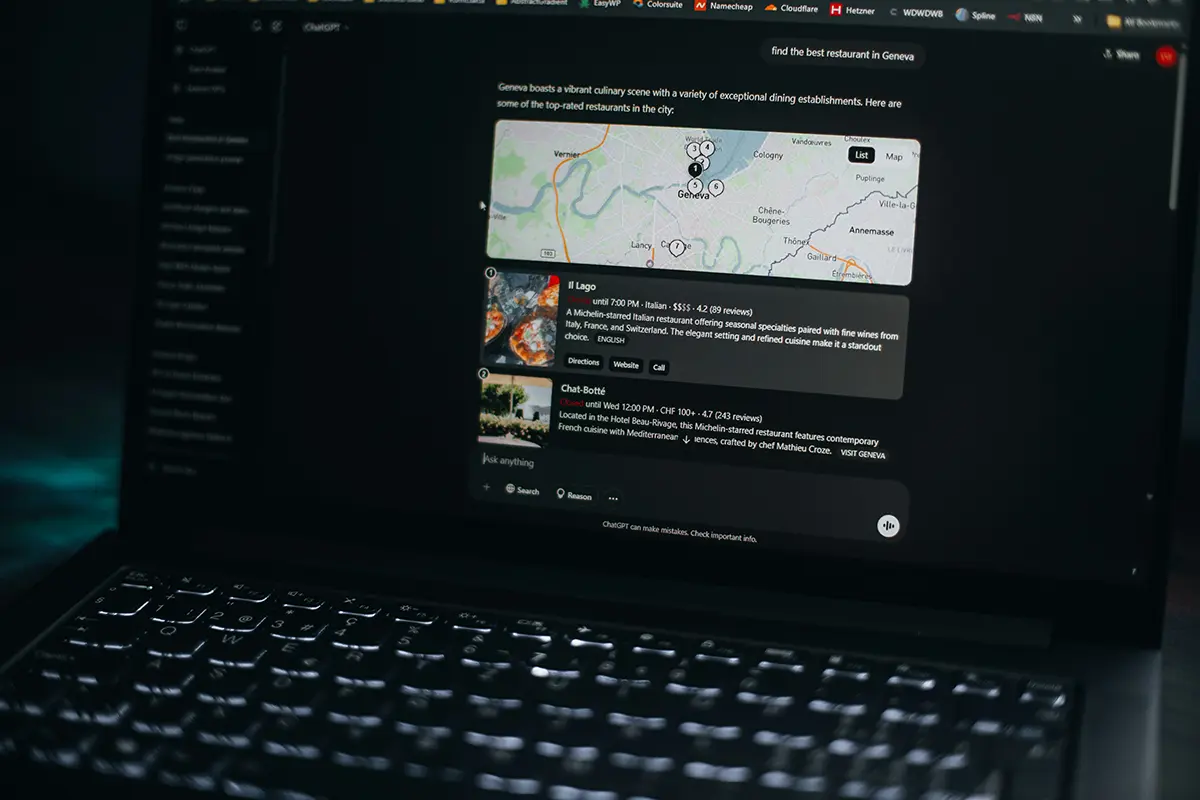
Search is no longer about ranking on page one. It’s about being the answer. Other AI engines, such as ChatGPT and Perplexity, are also changing how search works. Google’s AI Overviews, ChatGPT search integration, Perplexity AI, and other answer engines—collectively known as AI platforms and AI search engines—are fundamentally changing how customers find businesses. These platforms don’t show ten blue links anymore. They provide direct answers, synthesizing information from multiple sources and presenting it conversationally. In addition to other answer engines, Google AI Overviews and Google’s AI Overviews are features that impact how information is presented in search results.
For local service businesses, this shift creates both urgent challenges and significant opportunities. Optimizing for multiple AI platforms is crucial to maximize your brand’s presence across these new search tools. If your content isn’t optimized for answer engines, you’re becoming invisible to customers asking questions about your services. But if you master Answer Engine Optimization (AEO), you can position your business as the authoritative source that AI systems cite when answering customer questions.
This comprehensive guide explains exactly what AEO is, how it differs from traditional SEO, and the specific strategies you need to ensure AI answer engines feature your business when potential customers search for HVAC services, roofing contractors, plumbers, electricians, or any local service.
What Is Answer Engine Optimization?
Answer Engine Optimization (AEO) is the practice of optimizing your content to be selected, cited, and featured by AI-powered answer engines like Google’s AI Overviews, ChatGPT, Perplexity, Bing Chat, and similar platforms. While traditional SEO focuses on ranking in search engine results pages, AEO focuses on being the source that appears in ai generated results and ai results, directly answering the question for users.
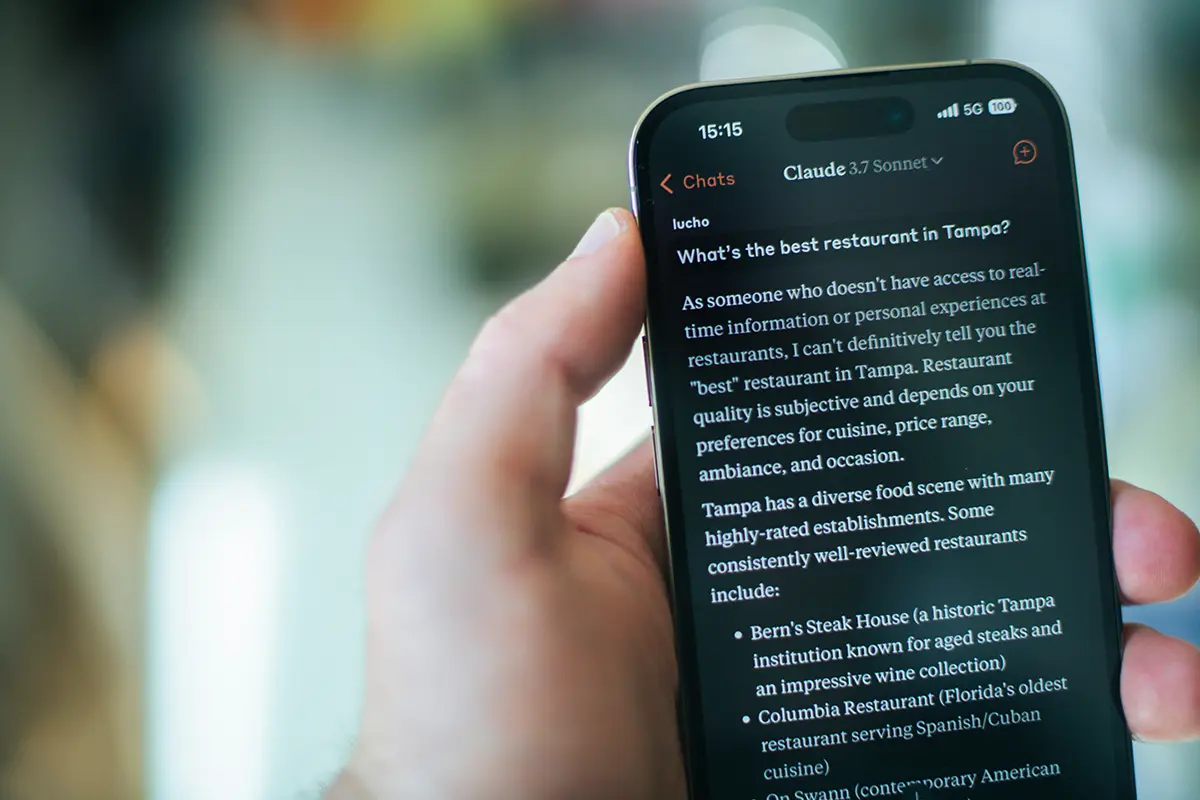
Answer engines use large language models and AI to understand user questions, search through vast amounts of content, synthesize information from multiple sources, and generate comprehensive ai generated responses in natural language. AI search engines and ai chatbots, such as ChatGPT and Perplexity, are key tools that generate these ai generated responses. When someone asks “how much does a new roof cost,” answer engines don’t just show websites about roofing costs. They provide a detailed answer, often citing specific sources.
The critical difference is that answer engines prioritize answering the question over directing traffic to websites. This creates a zero click searches environment where users get answers without visiting your site. However, being cited as a source builds authority and trust, and users often click through to learn more or contact businesses mentioned.
For service businesses, customers researching services increasingly get answers from AI before they ever visit a website. Questions like “what should I ask an HVAC contractor,” “how to choose a roofing company,” or “signs I need electrical work” are answered directly by AI systems. If your business isn’t positioned as an authoritative source for these answers, you’re losing influence at the critical research stage. Increasing brand mentions across the web can improve your chances of being cited in ai generated results, enhancing your authority and visibility in AI-driven search experiences.
Benefits of AEO
Answer Engine Optimization delivers powerful benefits for businesses aiming to thrive in today’s AI-driven search landscape. By optimizing for answer engines, companies can significantly boost their online visibility and ensure their brand is present wherever users seek answers.
One of the most compelling advantages is the ability to attract high-intent users who are ready to take action. When your content is selected as the authoritative answer, you not only build trust but also drive qualified leads, even if overall organic traffic from traditional search engines declines. For example, NerdWallet experienced a 35% increase in revenue despite a 20% drop in site traffic by focusing on featured snippets and authoritative content that answer engines prefer. As organic search traffic declines due to AI-powered search engines and zero-click searches, there is a shift toward ai visibility and referral traffic from answer engines, making it essential to track these metrics to evaluate the effectiveness of your SEO strategies.
AEO also helps future-proof your digital marketing strategy. As answer engines become the primary way users access information, businesses that invest in optimization now will maintain a competitive edge and adapt seamlessly to changes in search behavior. The future belongs to those who adapt their strategies for answer engines and ai-driven search.
How AEO Differs from Traditional SEO
Understanding the distinctions between SEO and AEO helps you optimize for both effectively. Traditionally, search engine optimization focuses on improving rankings through site structure and keyword optimization, making content more accessible to both search engines and users.
Key Differences That Matter
- Optimization Goal: SEO ranks higher in search listings; AEO gets selected as the authoritative answer source
- Success Metric: SEO measures page rankings and clicks, tracking performance with analytics tools; AEO tracks citations in AI-generated answers and featured snippets, though tracking performance for AI visibility is still evolving
- Content Focus: SEO emphasizes keywords and backlinks; AEO prioritizes direct answers and conversational language
- Content Structure: SEO uses optimized headers, site structure, and keyword density; AEO requires question-answer format with concise responses
- Authority Signals: SEO relies on backlinks and domain authority; AEO depends on expertise demonstration and citation-worthy information
AI models that power answer engines were once limited by their original training data, which restricted the accuracy and freshness of their responses. Newer techniques, like retrieval-augmented generation (RAG), allow these models to access real-time and external information beyond their initial training data, improving the quality of generated answers.
While these differences exist, AEO and SEO aren’t mutually exclusive. The best strategy incorporates both, as many AEO optimization techniques also improve traditional SEO performance.
Core Principles of Answer Engine Optimization
Successful AEO requires understanding what makes content appealing to AI systems selecting sources for answers.
1. Direct Answer Format
Answer engines favor content that provides direct, clear answers to specific questions. Structure your content to answer questions immediately and comprehensively. It is especially important to provide answers to conversational questions, as these are common in ai responses and voice search results.
Start articles and sections with the answer stated clearly in the first paragraph. Then expand with supporting details, context, and examples. For instance, if addressing “how long does HVAC installation take,” start with: “Professional HVAC installation typically takes 4-8 hours for a standard residential system. Complex installations or multi-zone systems may require 1-2 days.” Then expand with factors affecting timeline and how to prepare.
2. Conversational, Natural Language
AI answer engines understand natural language better than keyword-focused content. Write as if directly answering a customer’s verbal question. Use conversational phrases like “you’ll want to,” “most homeowners find,” and “the best approach is.” Avoid jargon unless immediately explained. Technologies like natural language processing and generative ai enable ai assistants to interpret and deliver accurate answers to users’ queries.
3. Demonstrate Genuine Expertise
Answer engines heavily weigh expertise signals when selecting sources. Include specific examples from your actual work, detailed explanations showing deep understanding, and problem-solving guidance based on real scenarios.
Statements like “in our 20 years serving Pittsburgh homeowners, we’ve found…” or “based on completing over 500 installations…” provide experience-based insights that are citation-worthy because they’re unique and authoritative.
4. Comprehensive Topic Coverage
Answer engines favor comprehensive content that thoroughly addresses topics from multiple angles. When creating content about roof replacement, address timeline, materials, choosing contractors, preparation, maintenance, warranties, financing, permits, and seasonal considerations. This comprehensive approach establishes you as the definitive source. Covering a topic thoroughly also increases the likelihood of being featured in ai responses and voice search results.
5. Citation-Worthy Information
Make your content citation-worthy by including original research or data, unique insights from experience, specific factual information, step-by-step processes, and expert opinions with credentials. Avoid generic information easily found elsewhere.
Role of AI in AEO
Artificial intelligence is the driving force behind modern answer engines, fundamentally shaping how answer engine optimization (AEO) works. AI models like Google’s Gemini and OpenAI’s GPT-4 are trained on massive datasets, enabling them to understand natural language queries, interpret user intent, and generate answers that closely mimic human responses. These advanced AI systems analyze user queries in real time, searching through vast amounts of online content to synthesize the most relevant and accurate information.
For businesses, leveraging artificial intelligence in engine optimization means using AI-powered tools to audit and enhance content, identify gaps, and predict what types of answers will resonate with their target audience. AI can help pinpoint which topics are most likely to be selected by answer engines, suggest improvements to increase online visibility, and even forecast shifts in user behavior. By embracing AI-driven strategies, companies can ensure their content is not only discoverable but also preferred by answer engines, increasing their chances of being featured in answer engine results and cited as authoritative sources.
Ultimately, artificial intelligence enables answer engines to deliver direct, high-quality answers to user queries, making it essential for businesses to align their content and optimization efforts with the capabilities and expectations of these AI models.
Optimizing Content Structure for Answer Engines
How you structure content dramatically affects whether AI systems can extract and cite your information.
Question-Based Headers
Structure headers as actual questions customers ask. Instead of “HVAC Maintenance,” use “How Often Should You Service Your HVAC System?” This matches how people search and how AI understands content.
Research common questions using Google’s “People Also Ask” boxes, customer service inquiries, and social media discussions. Each major question becomes an H2 header with a comprehensive answer following immediately.
Concise Answer Paragraphs
After each question header, provide a 40-60 word paragraph that directly answers the question. This concise answer is what AI engines often extract for featured snippets. Follow with expanded information, but ensure the immediate answer stands alone as complete and accurate.
Structured Data and Schema Markup
Schema markup explicitly tells answer engines what your content covers. Implement these essential types:
- FAQ Schema: Mark up question-answer pairs
- How-To Schema: Step-by-step process instructions
- Article Schema: Metadata about content pieces
- Local Business Schema: Business information and credentials
- Service Schema: Detailed service descriptions
Implementing schema markup can also help your content appear in Google’s Knowledge Graph, increasing the chances of being featured in direct answers.
Use Google’s Rich Results Test to verify your schema implementation works correctly.
Lists and Structured Formats
Present information in formats that AI can easily parse:
- Numbered lists for sequential steps or rankings
- Bullet points for features, benefits, or options
- Tables for comparisons or specifications
- Definitions for technical terms
- Examples in clear, labeled sections
AI driven search engines prefer structured formats like lists and tables, as these make it easier to extract and present information in zero-click searches.
Being cited by third party sites, such as review platforms or industry blogs, can boost your authority and visibility in answer engine results. Well-structured blog posts, especially those using FAQ sections and schema markup, increase your chances of being referenced by answer engines.
Creating AEO-Optimized Content for Local Businesses
Service businesses need specific AEO strategies tailored to local search and service-based queries.
Target Question-Based Keywords
Research and target actual questions customers ask about your services:
- “How much does [service] cost in [city]”
- “What should I look for in a [contractor type]”
- “How long does [service] take”
- “Why is my [system] [problem]”
- “When should I replace my [system]”
Include Local Context
Answer engines favor locally relevant answers for location-based queries. Incorporate local climate considerations, regional building codes, area-specific housing characteristics, and neighborhood-specific information.
Maintaining an accurate and complete Google Business Profile is essential for enhancing your local visibility in AI search engines, as these systems often pull business data from such profiles to provide real-time, location-specific answers.
For example: “In Pittsburgh’s climate with harsh winters, HVAC systems work harder than in moderate climates, typically requiring replacement every 12-15 years rather than the national average of 15-20 years.”
Address the Complete Customer Journey
Create content answering questions at every stage:
- Research Stage: What is the service, how it works, signs you need it, different types available
- Consideration Stage: Cost information, how to choose a contractor, questions to ask, timeline and process
- Decision Stage: What to expect during service, preparation required, maintenance after service, warranty information
Showcase Credentials and Experience
Prominently display expertise signals:
- Years in business and experience level
- Licenses and certifications
- Professional association memberships
- Awards and recognitions
- Number of completed projects
- Team qualifications
Increasing brand mentions across reputable sites and being present on multiple AI platforms can improve your authority and visibility in local search, as AI search engines and answer engines often factor these signals into their rankings.
Include author bios on content with specific credentials. “Written by John Smith, licensed master electrician with 15 years experience” carries more weight than anonymous content.
AI Generated Content and AEO
AI-generated content is rapidly becoming a cornerstone of answer engine optimization (AEO). With the help of advanced AI tools, businesses can efficiently produce high-quality, relevant content tailored for answer engines, including blog posts, service pages, and product descriptions. These AI-powered solutions can analyze trending topics, suggest optimal structures, and generate content that aligns with the requirements of answer engines for direct, concise answers.
However, while AI-generated content can boost online visibility and increase the chances of being featured as a direct answer, it’s crucial to maintain high standards of accuracy and value. Businesses should carefully review and edit AI-generated material to ensure it provides unique insights, addresses user needs, and avoids issues like duplicate or low-quality content. The goal is to create content that not only satisfies answer engines but also genuinely helps users.
By strategically leveraging AI-generated content as part of your engine optimization efforts, you can stay ahead of the competition, enhance your brand’s presence in answer engine results, and ensure your business is recognized as a go-to source for authoritative answers.
Technical Optimization for Answer Engines
Technical excellence ensures answer engines can properly access, understand, and cite your content.
Essential Technical Requirements
- Site Speed: Fast loading times under 3 seconds, optimized images, efficient code
- Mobile Optimization: Responsive design, touch-friendly navigation, readable text
- Crawlability: Clean XML sitemap, proper robots.txt configuration, no technical barriers
- Content Hierarchy: Clear heading structure (H1, H2, H3), logical organization, internal linking—a well-defined site structure improves ai visibility and makes it easier for answer engines to extract relevant information.
- HTTPS Security: Secure SSL certificate, all content served over HTTPS
These technical fundamentals ensure AI systems can access and process your content without obstacles.
Measuring AEO Success
Tracking the right metrics helps you understand AEO effectiveness and identify optimization opportunities. It’s important to focus on tracking performance across both traditional SEO and emerging AI-driven metrics to get a complete picture of your brand’s visibility.
Key AEO Performance Metrics
Track which queries generate featured snippets showing your content and monitor acquisition over time. Manually search target keywords to see if you’re cited in AI Overviews and document which content gets cited most frequently.
Monitor impressions versus clicks in Google Search Console. High impressions with lower clicks may indicate AI Overview citations. In addition, track referral traffic from answer engines and monitor ai visibility as key metrics to evaluate how your content is performing in AI-driven search platforms. Track rankings for question-based keywords and monitor “People Also Ask” appearances.
Measure time on page for answer-focused content, scroll depth, bounce rate, and click-through to related content. Use Google Search Console for impression data, SEMrush or Ahrefs for featured snippet tracking, and analytics for engagement metrics.
Common AEO Mistakes to Avoid
- Keyword Stuffing: Answer engines recognize and penalize obvious over-optimization. Focus on natural language that genuinely answers questions.
- Thin Content: Surface-level content that simply restates common knowledge doesn’t get cited. AI engines prioritize unique insights and expert perspectives. They rely on diverse training data and references from third party sites to determine authority and relevance.
- Ignoring User Intent: Optimizing for keywords without understanding the underlying question leads to content that doesn’t satisfy user needs.
- Poor Structure: Dense paragraphs without clear structure make it difficult for AI to extract answers. Use headers, short paragraphs, and lists.
- Technical Neglect: Outstanding content won’t help if technical issues prevent AI systems from accessing it. Ensure your technical SEO foundation is solid.
Staying Up-to-Date with AEO Trends
The world of Answer Engine Optimization is dynamic, with new trends and technologies emerging rapidly. The rise of generative AI, AI platforms, and AI assistants is shaping the future of answer engine optimization, as these technologies play a crucial role in how information is retrieved and delivered. To maintain strong online visibility, businesses must stay informed about the latest developments in AI-driven search and answer engine algorithms.
Keep up with AEO trends by monitoring changes in user behavior, understanding updates to AI models, and adopting new tools that enhance optimization. For example, Google’s announcement of AI Mode in March 2025 marks a significant shift toward AI-dominated search results, making it essential for businesses to adapt their strategies.
Stay ahead by attending industry conferences, following thought leaders in SEO and AI, and participating in online communities where best practices are shared. Regularly review your performance in answer engine results and experiment with new optimization techniques. As part of your ongoing strategy, monitor developments in AI search and AI chatbots to ensure your content remains visible across emerging platforms and technologies.

How Redshift Local Implements AEO Strategy
At Redshift Local, we understand that staying visible requires adapting to how customers search. Answer Engine Optimization is central to our modern local SEO approach.
Our VTC Framework (Visibility, Traffic, Conversions) incorporates AEO throughout. We ensure you’re visible when AI answers customer questions, drive qualified traffic from answer engine citations, and convert that authority into booked jobs.
We create AEO-optimized content that demonstrates genuine expertise while being structured for AI extraction. We implement proper schema markup, monitor answer engine performance, and, by tracking performance and ai visibility, ensure your brand’s presence is maximized across answer engines and AI-driven platforms. We continuously refine strategies as the landscape evolves.
Ready to ensure your business becomes the authoritative source AI systems cite when customers ask questions about your services? Contact Redshift Local today to discuss an AEO strategy that positions you as the expert in your market.
Adapt to Answer Engines or Become Invisible
The shift from search engines to answer engines represents the most significant change in search since Google’s inception. Businesses that continue optimizing only for traditional search will steadily lose visibility as more customers get answers from AI systems.
Answer Engine Optimization isn’t about abandoning SEO. It’s about evolving your strategy to remain visible in an AI-powered search world. The good news is that AEO principles often improve traditional SEO performance while positioning you for the future.
Start implementing AEO today by identifying the questions your customers ask, creating comprehensive answers demonstrating genuine expertise, structuring content for AI extraction, and establishing yourself as the authoritative source in your market.
The businesses dominating local search in the coming years will be those recognized by AI systems as the definitive experts in their field. The future belongs to those who embrace answer engine optimization and adapt to the evolving search landscape. Position your business as that authority starting now.