

Google AI Overviews have fundamentally transformed local search results. These AI-generated summaries now appear at the top of search results for countless local service queries, providing instant answers and recommendations before traditional organic listings even appear. When someone searches “best HVAC company near me” or “emergency plumber in Pittsburgh,” they increasingly see an AI Overview synthesizing information and potentially naming specific businesses—or they see no business recommendations at all.
For home service contractors, understanding how to get featured in Google AI Overviews isn’t optional anymore. These AI-powered results occupy premium screen real estate, answer customer questions directly, and dramatically influence which businesses customers contact. This comprehensive guide reveals exactly how Google AI Overviews work for local searches and proven strategies for getting your business featured prominently.
What Are Google AI Overviews?
Google AI Overviews (formerly called Search Generative Experience or SGE) use artificial intelligence to generate comprehensive answers at the top of search results. Rather than showing ten blue links, Google now frequently provides AI-written summaries that synthesize information from multiple sources.
How AI Overviews Appear in Search Results
Visual presentation:
- AI Overviews appear above traditional organic results
- They occupy the most valuable screen position
- Content displays in expandable panels
- Source citations link to referenced websites
- Additional questions prompt deeper exploration
- Images and visual elements enhance answers
When AI Overviews trigger:
- Complex questions requiring synthesis of multiple sources
- “Best” queries seeking recommendations and comparisons
- How-to questions needing step-by-step guidance
- Problem-solving queries requiring contextual answers
- Informational searches about services or processes
- Local searches with quality and selection components
Mobile versus desktop differences:
- AI Overviews occupy even more screen space on mobile
- Traditional results get pushed further down on smaller screens
- Mobile users may never scroll past AI Overview content
- Click-through to websites decreases significantly on mobile
Why AI Overviews Matter for Local Businesses
Traffic and visibility impact:
- AI Overviews can drastically reduce clicks to traditional results
- Being featured in an Overview drives significant qualified traffic
- Exclusion from Overviews means potential invisibility
- Zero-click searches increase when AI answers questions completely
Customer decision influence:
- Users trust AI-synthesized information
- Businesses mentioned gain immediate credibility
- Recommendations within Overviews carry authority
- Customers may contact businesses without visiting websites
Competitive advantage:
- Most contractors don’t optimize for AI Overviews yet
- Early adopters capture disproportionate visibility
- Traditional SEO tactics alone don’t guarantee AI Overview inclusion
- Strategic optimization creates sustainable competitive moats
How Do Google AI Overviews Select Local Businesses?
Google’s AI doesn’t randomly select businesses to feature. Understanding the selection criteria helps you optimize strategically for inclusion.
Content Quality and Depth Signals
Comprehensive information:
- Google AI prioritizes websites with thorough service explanations
- Superficial content gets overlooked in favor of detailed alternatives
- Depth of coverage signals expertise and authority
- Complete answers to user questions increase selection likelihood
Information organization:
- Clear header structures help AI understand content hierarchy
- Logical content flow makes information extraction easier
- Scannable formatting aids AI parsing
- Well-organized content gets cited more frequently
Answer directness:
- Content directly addressing common questions
- Clear explanations without excessive fluff
- Specific answers to specific problems
- Actionable information users can apply
Authority and Trust Indicators
Website credibility signals:
- Domain age and establishment
- Secure HTTPS connections
- Professional website design and functionality
- Regular content updates and maintenance
- No spam signals or quality issues
External validation:
- Backlinks from reputable local sources
- Citations in news articles and industry publications
- Mentions in community organizations
- References from authority websites
Credential demonstration:
- Licenses and certifications prominently displayed
- Industry association memberships
- Professional affiliations
- Awards and recognition
- Years of experience highlighted
Local Relevance Factors
Geographic signals:
- Location pages for areas served
- Neighborhood-specific content
- Local landmarks and references
- Community involvement mentions
- Regional terminology usage
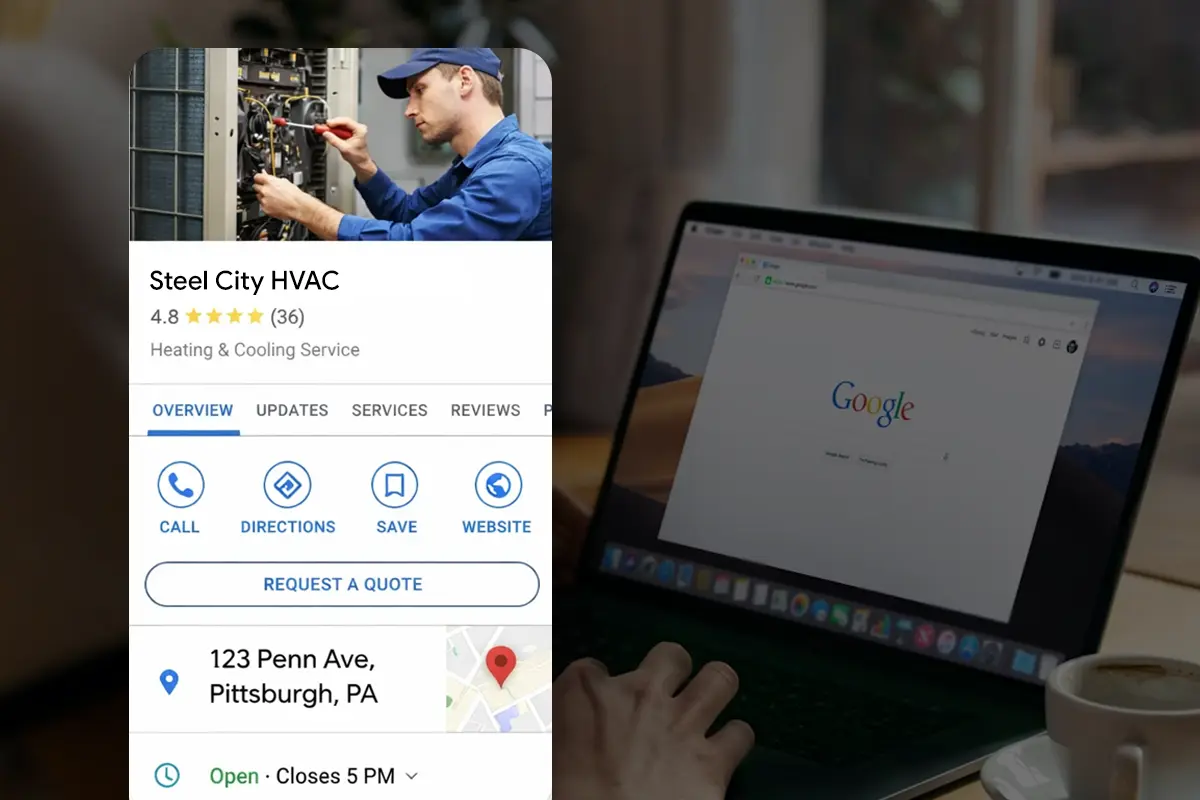
Google Business Profile integration:
- Complete, optimized GBP listing
- Consistent NAP information
- High review ratings and volume
- Active profile management
- Category accuracy and completeness
For more information, see local SEO services for contractors.
Local content depth:
- Area-specific service information
- Local problem discussions
- Regional considerations addressed
- Community-focused content
- Neighborhood guides and resources
What Content Types Get Featured in AI Overviews?
Certain content formats and structures receive preferential treatment in AI Overview selection. Creating these content types strategically increases your visibility.
Question-Answer Content
FAQ sections:
- Dedicated FAQ pages answering common customer questions
- Service-specific Q&A addressing particular concerns
- Problem-focused questions customers actually ask
- Natural language question phrasing
- Complete, thorough answers
Question-based blog posts:
- Articles structured around specific questions
- “How to” guides providing step-by-step instructions
- “When to” articles helping decision-making
- “Why” explanations building understanding
- “What to expect” content reducing customer anxiety
Conversational content:
- Natural language matching how people speak
- Addressing reader directly
- Anticipating follow-up questions
- Providing context and background
- Explaining complex topics simply
Comparison and Recommendation Content
Service comparisons: See our guide on local citation building strategies for tips to boost your local SEO.
- Repair versus replacement analysis
- Option comparisons for different situations
- Pros and cons of various approaches
- Cost-benefit breakdowns
- Suitability for different circumstances
Best practices guides:
- Industry best practices explained
- Quality standards described
- What separates good from great service
- How to evaluate service providers
- Red flags customers should watch for
Recommendation frameworks:
- When to take different actions
- How to choose between options
- Decision trees for various scenarios
- Situation-specific recommendations
- Personalized guidance based on circumstances
Educational and Explanatory Content
How things work:
- System operation explanations
- Component function descriptions
- Process breakdowns
- Technical concepts simplified
- Behind-the-scenes insights
Problem identification content:
- Warning signs and symptoms
- Diagnostic approaches
- When to call professionals
- Emergency versus non-emergency situations
- Preventive maintenance guidance
Industry education:
- Common misconceptions corrected
- Industry terminology explained
- Standards and regulations clarified
- Technology trends and innovations
- Seasonal considerations
How Do I Optimize Content for AI Overview Inclusion?
Strategic content optimization specifically targeting AI Overview algorithms dramatically improves your chances of getting featured.
Structured Content Organization
Header hierarchy optimization:
- Use clear H2 headers for main topics
- Implement H3 subheaders for detailed points
- Create logical content progression
- Match headers to question queries
- Keep headers descriptive and specific
List and bullet point usage:
- Break complex information into bulleted lists
- Use numbered lists for sequential steps
- Create comparison lists for multiple options
- Format lists consistently throughout content
- Keep list items concise but complete
Table implementation:
- Comparison tables for multiple options
- Pricing ranges and factors
- Timeline expectations
- Service tier differences
- Feature comparisons
Answer-Focused Writing
Lead with direct answers:
- Answer the primary question immediately
- Provide the essential information upfront
- Expand with details and context after
- Don’t bury answers deep in content
- Make key information easily extractable
Comprehensive coverage:
- Address primary question thoroughly
- Anticipate and answer related questions
- Provide context readers need
- Include relevant examples
- Cover edge cases and exceptions
Natural language optimization:
- Write conversationally, not robotically
- Use pronouns and contractions naturally
- Match how customers actually speak
- Avoid awkward keyword stuffing
- Maintain readability while optimizing
Schema Markup Implementation
Essential schema types:
- FAQPage schema for question-answer content
- HowTo schema for instructional content
- LocalBusiness schema with complete details
- Service schema for offerings
- Review schema for customer feedback
Implementation best practices:
- Validate schema with Google’s testing tools
- Keep schema updated with content changes
- Implement schema sitewide, not just homepage
- Use specific schema types for specific content
- Ensure schema matches visible content exactly
Advanced schema strategies:
- QAPage schema for individual Q&A pages
- Article schema for blog content
- BreadcrumbList schema for site structure
- Organization schema for business details
- VideoObject schema for video content
What Technical Factors Influence AI Overview Selection?
Beyond content quality, technical website factors determine whether Google’s AI can effectively discover, understand, and cite your content.
Site Performance Requirements
Page speed optimization:
- Core Web Vitals meeting Google’s thresholds
- Fast loading on mobile devices
- Minimal render-blocking resources
- Optimized images and media
- Efficient code execution

Mobile responsiveness:
- Mobile-first design approach
- Touch-friendly interface elements
- Readable text without zooming
- Properly sized buttons and links
- Smooth mobile navigation
Technical stability:
- Minimal server downtime
- Consistent availability
- No broken pages or errors
- Proper redirects for moved content
- Clean, crawlable site architecture
Crawlability and Indexing
Crawl accessibility:
- No robots.txt blocking important content
- Clear internal linking structure
- XML sitemap submission
- No orphaned pages without links
- Logical site hierarchy
Content freshness:
- Regular content updates
- Publication dates visible
- Updated information reflecting current practices
- Fresh content added consistently
- Outdated content removed or updated
Structured site architecture:
- Clear category organization
- Logical URL structures
- Breadcrumb navigation
- Related content connections
- Topic clustering
How Do AI Overviews Handle Local Service Recommendations?
When AI Overviews include business recommendations, specific factors determine which local businesses get featured.
Business Selection Criteria
Google Business Profile strength:
- Complete profile information
- High review ratings (4.5+ stars)
- Substantial review volume
- Recent review activity
- Professional photos
Website quality alignment:
- Professional, trustworthy website
- Comprehensive service information
- Clear contact methods
- Mobile-friendly design
- Fast loading speeds
Online reputation signals:
- Consistent positive reviews across platforms
- Active review response management
- No significant negative reputation issues
- Industry recognition and awards
- Professional association memberships
Increasing Recommendation Likelihood
Content comprehensiveness:
- Detailed service explanations
- Clear service area coverage
- Transparent pricing information
- Credential and qualification details
- Process and timeline expectations
Expertise demonstration:
- Educational content showing knowledge
- Problem-solving guides
- Industry insights and analysis
- Case studies and examples
- Technical explanation capability
Trust building elements:
- Customer testimonials
- Before-and-after project showcases
- Team member profiles
- Company history and values
- Community involvement
What Mistakes Prevent AI Overview Inclusion?
Many contractors inadvertently disqualify themselves from AI Overview consideration through common optimization errors.
Thin or Generic Content
The problem:
- Short pages with minimal information
- Generic descriptions applying to any business
- Superficial answers without depth
- Content copied from competitors
- No unique value or insights
The solution:
- Create comprehensive, thorough content
- Provide specific details and examples
- Share unique insights from your experience
- Differentiate your content from competitors
- Aim for 1,500+ words on key topic pages
Poor Content Structure
The problem:
- Large text blocks without breaks
- Missing or unclear headers
- No lists or formatting for scannability
- Information buried in paragraphs
- Difficult for AI to extract key points
The solution:
- Use clear header hierarchy throughout
- Break content into scannable sections
- Implement bulleted and numbered lists
- Format key information prominently
- Make answers easily extractable
Missing or Incorrect Schema
The problem:
- No schema markup implementation
- Incorrect schema types for content
- Schema not matching visible content
- Validation errors in schema code
- Outdated schema specifications
The solution:
- Implement appropriate schema for all content types
- Validate schema with Google’s testing tools
- Keep schema updated with content
- Use specific schema for specific content
- Follow current schema.org specifications
Neglecting Mobile Experience
The problem:
- Slow loading on mobile devices
- Difficult navigation on small screens
- Text requiring zooming to read
- Buttons too small to tap easily
- Poor mobile user experience
The solution:
- Design mobile-first for all content
- Test extensively on actual mobile devices
- Optimize images and code for speed
- Ensure touch-friendly interface
- Prioritize mobile performance
Google AI Overviews represent the future of local search, and contractors who optimize strategically today position themselves to dominate tomorrow’s search landscape. By creating comprehensive, well-structured content that demonstrates genuine expertise while implementing proper technical optimization, you dramatically increase your chances of being featured in these premium positions—capturing customers before they ever see traditional search results.